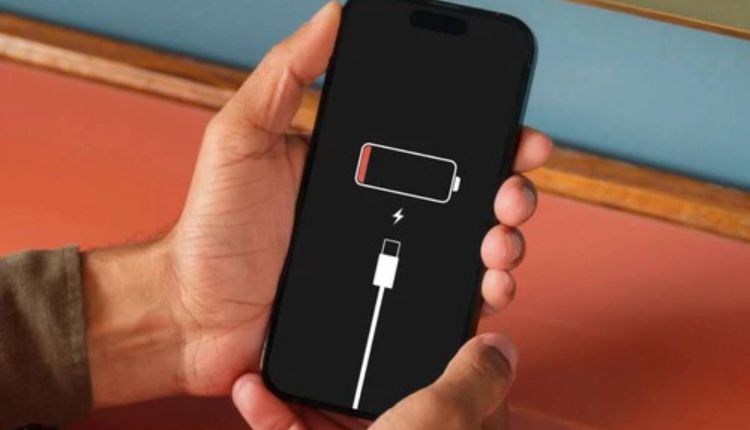
Over time, users often notice that their battery percentage is inaccurate or draining faster than expected. This is where the concept of “como calibrar bateria” (how to calibrate the battery) becomes essential. Battery calibration helps reset the system’s understanding of true battery capacity, ensuring more accurate readings and better performance.
In this comprehensive guide, you’ll learn all about battery calibration, why it matters, and how to do it right.
Understanding what “Como Calibrar Bateria” means
The phrase “como calibrar bateria” refers to the process of resetting your device’s battery statistics so that the system can accurately display battery levels. Over time, devices can lose track of the actual battery capacity due to repeated charge cycles, leading to incorrect readings.
Battery calibration does not physically improve battery health but instead improves the way your device interprets battery data. This is especially useful when your device shows sudden drops in battery percentage or shuts down unexpectedly.
Modern devices use lithium-ion batteries that are designed to maintain efficiency over many charge cycles. However, software battery monitoring systems can be misaligned. Calibration helps reset this system.
Some common symptoms that indicate the need for battery calibration include:
- Battery percentage drops suddenly
- The device turns off before reaching 0%
- The battery remains stuck at a certain percentage
- Charging not reaching 100%
Understanding these symptoms is the first step to effectively solving battery problems. Calibration ensures that your device’s operating system is properly communicating with the battery’s hardware.
Why Battery Calibration is Important for Device Performance
Como calibrar bateria plays an important role in maintaining optimal device performance. While it doesn’t increase the actual battery capacity, it does ensure accurate reporting, which is critical to the user experience.
If the battery is not properly calibrated, your device may behave erratically. For example, it may turn off even if the battery shows 20% remaining. This happens because the system misinterprets the battery charge level.
Accurate battery data will help you:
- Plan usage more efficiently
- Avoid unexpected downtime
- Maintain device stability
- Improve your charging habits
Another important factor is that many users confuse calibration with battery repair. Calibration will not fix a damaged battery, but it will help your system understand the battery better.
In addition, proper calibration can indirectly improve performance by ensuring that equipment is not unnecessarily limiting power consumption due to incorrect readings. Some devices will automatically reduce power when they think the battery is low, when it isn’t.
Regular calibration can also help detect real battery problems early. If calibration doesn’t fix the problem, it may indicate battery degradation.
When Should you Calibrate your Battery?
Knowing when to calibrate your battery is just as important as knowing how to do it. Over-calibrating can be unnecessary, while ignoring calibration can lead to poor performance.
You should calibrate the battery in the following situations:
- After updating the software
- When the battery percentage behaves erratically
- If your device turns off unexpectedly
- After replacing the battery
- When charging becomes inconsistent
It is generally recommended to calibrate the battery once every 2-3 months. However, this depends on your usage habits and the condition of the device.
Avoid calibrating too often, as lithium-ion batteries are sensitive to full-discharge cycles. Como calibrar bateria can shorten battery life over time.
Also, if your device is new, there is usually no need to calibrate the battery right away. Modern devices are pre-calibrated by the manufacturer.
If your battery is already severely degraded, calibration will not fix it. In such cases, a better solution is to replace the battery.
A Step-by-Step Guide to Como Batteries
Now we come to the most important part: how to properly Como calibrar bateria. Follow these steps carefully to ensure accurate results.
First, use the device normally until the battery is completely discharged and the device turns off automatically. This ensures that the battery reaches its true zero level.
Then leave the device off for a few hours. This allows any residual charge to dissipate completely.
Then connect the charger and charge the device continuously until it reaches 100%. If possible, do not turn on the device during this process.
Once fully charged, leave the device plugged in for another 30-60 minutes to ensure a full charge cycle.
Then disconnect the charger and use the device normally again.
Summary of key steps:
- Drain battery to 0%
- Leave the device off for a few hours
- Charge to 100% without interruption
- Continue charging after 100% charge
- Resume normal use
This process resets the battery statistics and balances the system with the actual battery capacity.
Common Mistakes to Como Calibrar Bateria
Although Como calibrar bateria seems simple, many users make mistakes that reduce its efficiency or damage the battery.
One of the biggest mistakes is performing calibration too often. Lithium-ion batteries are not designed for frequent full discharges. Repeatedly performing this procedure may shorten battery life.
Another error is the interruption of the charging process. Calibration requires a full, uninterrupted charge cycle to be effective.
During calibration, do not use the device while it is charging. This can interfere with accurate readings and slow down the process.
Some users also rely on third-party apps that claim to calibrate batteries. Most of these apps don’t actually calibrate the battery and can even damage your device.
Common mistakes include:
- Battery recalibration
- Interruption of charging cycles
- Using fake calibration apps
- The battery does not completely discharge
- Turning on the device while charging
By avoiding these mistakes, you can ensure that your calibration process is efficient and safe.
How Battery Calibration Differs Between Devices
Como calibrar bateria methods may vary slightly depending on the type of device you are using. Smartphones, laptops, and tablets may have different requirements.
For smartphones, this process is usually straightforward and involves full discharge and recharge cycles. Both Android and iOS devices follow similar principles.
For laptops, especially Windows devices, calibration may involve BIOS-level calibration tools or built-in software tools. Some manufacturers provide specific instructions.
MacBooks, on the other hand, have optimised battery management systems, and manual calibration is less often required.
Differences include:
- Smartphones: manual calibration steps
- Windows notebooks: built-in calibration tools
- MacBooks: automatic optimization
- Tablets: similar to smartphones
Understanding your device type will help you use the correct calibration method.
Tips for Maintaining Como Calibrar Bateria
After battery calibration, it is important to maintain proper charging habits to extend battery life.
Avoid the battery regularly dropping to 0%. Instead, try to keep it between 20% and 80% for optimal performance.
Use original or high-quality chargers to avoid battery damage.
Do not expose your device to extreme temperatures, as heat is one of the biggest enemies of battery health.
Helpful tips include:
- Charging between 20% and 80%
- Avoid frequent overnight charging
- Use certified chargers
- Keep the device cool
- Limit background apps
Maintaining these habits will ensure that your battery stays healthy and performs efficiently over time.
It indicates that your battery needs replacement instead of calibration
Sometimes the calibration is not enough and the battery may need to be replaced. Recognising these signs is essential.
If your battery drains extremely quickly even after calibration, it may be dead.
If your device overheats while charging, it can damage the battery.
Swelling or physical deformation of the battery is a serious problem and requires immediate replacement.
Key warning signs:
- Fast battery drain
- Overheating
- The device turns off randomly
- Battery swelling
- Charging problems
In such cases, calibration will not solve the problem and replacing the battery is the safest option.
Conclusion
Understanding “como calibrar bateria” is essential for anyone who wants to maintain accurate battery performance and avoid unexpected problems. While calibration will not increase battery capacity, it will ensure that your device displays correct battery levels and performs more reliably.
By following the right steps, avoiding common mistakes, and maintaining good charging habits, you can greatly improve your device. However, always remember that calibration is not a solution for a dead battery. Knowing when to replace your battery is just as important as knowing how to calibrate it.
Frequently Asked Questions about Como Calibrar Bateria
- What does “como calibrar bateria” mean?
It means how to calibrate the battery to improve the accuracy of the battery percentage measurement.
- How often should I calibrate the battery?
Generally, once every 2-3 months is enough.
- Will calibration improve battery life?
No, it improves accuracy, not actual battery capacity.
- Can I use apps to calibrate the battery?
Most apps are unnecessary and may not work efficiently.
- Is battery calibration safe?
Yes, if done occasionally and correctly.
- Should I calibrate the new device?
No, new devices are already calibrated.
- What if calibration does not solve the problem?
Your battery may need to be replaced.
- Does calibration work on all devices?
Yes, but the process may vary slightly depending on the device.