Although como limpar vírus do iPhone are known for strong security, they can still experience issues caused by unsafe websites, fake pop-ups, harmful profiles, and malicious applications. Learning how to identify unusual behavior, remove dangerous apps, clear browser data, and update iOS is essential for keeping your device safe. This article covers practical solutions, prevention methods, security settings, and expert tips to help users improve performance and avoid future risks. Whether your iPhone feels slow, overheats, or displays strange advertisements, these proven methods can help restore security and optimize your device safely and effectively.
Understanding iPhone Security
Many users believe Apple devices are completely immune to viruses, but understanding como limpar vírus do iPhone begins with knowing how iPhone security actually works. Apple uses a closed ecosystem, strict App Store policies, and advanced encryption to reduce malware risks. However, this does not mean threats are impossible.
Most iPhone security problems come from fake applications, phishing websites, suspicious downloads, browser hijackers, or malicious configuration profiles. Jailbroken iPhones are especially vulnerable because security protections become weaker after modifying the operating system.
Users may notice symptoms such as overheating, battery drain, random pop-ups, unusual data usage, app crashes, or slower performance. In many cases, these issues are not traditional viruses but harmful scripts or deceptive advertisements running through browsers and apps.
Understanding the difference between real malware and normal software issues is important. Sometimes, outdated iOS versions or overloaded storage can also create performance problems similar to malware symptoms.
Apple continuously releases security updates to block vulnerabilities and improve protection. Keeping your device updated significantly lowers the risk of attacks. Learning safe browsing habits and avoiding suspicious links also plays a major role in device security.
While iPhones remain safer than many other devices, users still need awareness and preventive actions. Understanding how threats appear is the first step toward cleaning and protecting your iPhone effectively.
Signs of Malware
Recognizing suspicious behavior is essential when learning como limpar vírus do iPhone. Malware and harmful scripts usually leave noticeable signs that something is wrong with the device. Detecting these warning signals early can prevent bigger security issues.
One of the most common symptoms is excessive battery drain. If your battery suddenly starts losing power much faster than normal, hidden processes or malicious apps may be running in the background. Overheating without heavy usage is another warning sign.
Users may also notice random advertisements appearing frequently while browsing websites or using apps. These pop-ups often indicate adware infections or unsafe browser permissions. Safari redirects to unknown websites can also signal browser-related threats.
Some important warning signs include:
- Slow overall performance
- Apps crashing repeatedly
- Increased mobile data usage
- Unknown apps are installed automatically
- Suspicious calendar spam notifications
- Frequent browser redirects
Another dangerous sign involves fake security alerts claiming the iPhone is infected. These scare tactics try to trick users into downloading harmful software or entering personal information.
Storage problems can also occur if malware downloads hidden files or caches unwanted content. Some malicious applications continue collecting background data without permission, affecting device speed and internet performance.
In rare cases, hackers may gain access through phishing attempts rather than actual viruses. If strange account activity appears, users should immediately change passwords and enable stronger security settings.
Paying attention to unusual device behavior helps users respond quickly. Early detection is one of the most effective ways to minimize security risks and protect personal information from cyber threats.
Remove Suspicious Apps
One of the most effective solutions for como limpar vírus do iPhone is removing suspicious or unfamiliar applications, to know more click here. Although Apple reviews apps before allowing them into the App Store, some harmful or deceptive apps can still bypass security checks temporarily.
Start by checking recently installed applications. If device problems began after installing a specific app, that application may be responsible for the issue. Users should carefully review apps they do not recognize or rarely use.
To remove suspicious apps:
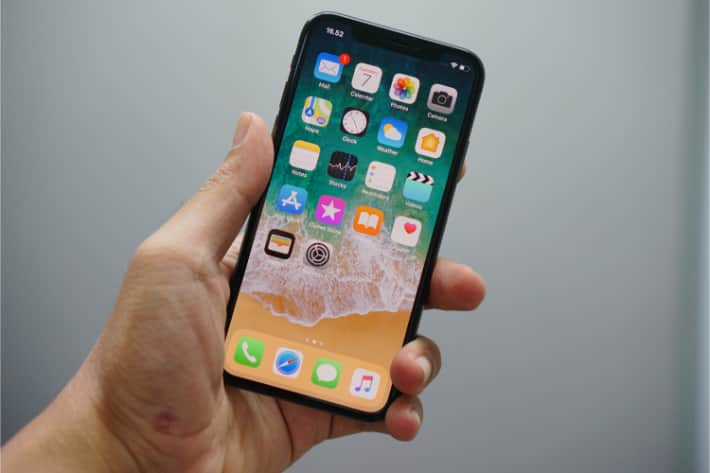
- Open the iPhone home screen.
- Press and hold the app icon.
- Tap “Remove App.”
- Confirm deletion.
After removing the app, restart the iPhone to clear temporary background activity. This simple process often resolves performance issues and stops unwanted advertisements or redirects.
Users should also examine app permissions carefully. Some apps request unnecessary access to contacts, photos, microphone, or location data. Restricting permissions improves privacy and reduces security risks.
Another useful step involves checking installed profiles:
- Open Settings
- Go to General
- Tap VPN & Device Management
If unknown profiles appear, remove them immediately because malicious configuration profiles can control device settings and browsing behavior.
Fake cleaning apps and security tools are especially dangerous. Many claim to remove viruses while actually displaying intrusive ads or collecting user data. Only trusted applications from reputable developers should remain installed.
Deleting suspicious apps also frees storage space and improves battery performance. In many situations, malware-like symptoms disappear after removing problematic software.
Regularly reviewing installed applications is a good security habit. Users should avoid downloading apps from unofficial sources or clicking misleading advertisements that promise free rewards or urgent system fixes.
Clear Safari Data
Browser-related threats are extremely common, making Safari cleanup an important part of como limpar vírus do iPhone. Harmful websites can store scripts, cookies, and cached files that continue causing pop-ups and redirects even after leaving the page.
Safari cache cleaning helps remove temporary malicious data and improves browsing performance. This process is simple but highly effective.
To clear Safari data:
- Open Settings
- Scroll to Safari
- Tap “Clear History and Website Data”
- Confirm the action
This removes browsing history, cookies, and cached files that may contain harmful scripts. Users experiencing frequent redirects or fake virus alerts often notice immediate improvement after this step.
Safari extensions should also be reviewed carefully. Unnecessary extensions can interfere with browsing behavior and collect user information. Disable unknown or suspicious extensions from Safari settings.
Another useful security measure involves blocking pop-ups and fraudulent websites. Enable these features in Safari settings to reduce exposure to malicious advertisements and phishing attempts.
Safe browsing habits are equally important:
- Avoid suspicious websites
- Do not click fake virus alerts
- Never download files from unknown pages
- Be cautious with free streaming or gambling sites
Sometimes users accidentally subscribe to spam calendars while browsing unsafe websites. These subscriptions generate endless notifications and fake alerts. Removing unknown calendars can stop these problems quickly.
Clearing browser data regularly improves both security and performance. Since many iPhone threats originate from websites rather than traditional malware, maintaining a clean browser environment is essential for long-term protection.
Proper Safari management greatly reduces the chance of future infections and helps maintain a smoother, safer browsing experience.
Update iOS Properly
Keeping iOS updated is one of the most important steps in como limpar vírus do iPhone because Apple regularly fixes security vulnerabilities through system updates. Outdated software can expose devices to known threats and hacking attempts.
Many cybercriminals target old iOS versions because they contain weaknesses already patched in newer releases. Updating the operating system strengthens security protections and improves overall stability.
To update iOS:
- Open Settings
- Tap General
- Select Software Update
- Install the latest version
Before updating, ensure the iPhone has enough battery power and stable internet access. Backing up important data through iCloud or a computer is also recommended.
Updates do more than improve security. They often optimize battery performance, fix app compatibility issues, and enhance device speed. Users experiencing strange behavior may find that system updates solve the problem completely.
Automatic updates provide additional convenience. Enabling automatic downloads ensures security patches install quickly without requiring manual checks.
Besides iOS itself, users should also update all installed applications. Outdated apps can contain vulnerabilities that hackers exploit. The App Store regularly provides security improvements for apps.
Important update benefits include:
- Improved malware protection
- Better system stability
- Reduced security vulnerabilities
- Enhanced app compatibility
- Faster device performance
Some users avoid updates because they worry about storage space or performance changes. However, delaying critical security updates creates greater risks over time.
If an iPhone remains compromised after updating, resetting network settings or performing a factory reset may become necessary. Still, software updates should always be the first major defense against vulnerabilities.
Maintaining current software versions significantly lowers the chances of malware infections and helps keep personal information secure.
Reset the iPhone
Sometimes stronger measures are necessary when learning como limpar vírus do iPhone. If suspicious behavior continues after removing apps and clearing visit more browser data, resetting the device may help eliminate deeper software issues.
There are several types of resets available for iPhone users. A simple restart can fix temporary glitches, while a full factory reset removes all data and settings completely.
Before resetting:
- Backup important files
- Save passwords securely
- Sync photos and contacts
- Verify Apple ID access
To perform a factory reset:
- Open Settings
- Tap General
- Select Transfer or Reset iPhone
- Tap Erase All Content and Settings
This process restores the device to its original condition. Any malicious files, suspicious apps, or hidden configurations are removed during the reset.
After resetting, users should avoid restoring backups that may contain problematic apps or corrupted settings. Instead, reinstall trusted applications manually whenever possible.
Factory resets are especially useful for jailbroken iPhones. Jailbreaking removes Apple’s built-in security restrictions, making devices far more vulnerable to malware infections and hacking attempts.
If the iPhone continues showing abnormal behavior even after a reset, hardware issues may be involved rather than malware. In such cases, professional support from Apple may be necessary.
Although factory resets sound extreme, they remain one of the most effective solutions for persistent software problems. Performing this process carefully can restore device performance, security, and stability.
Users should treat resets as a final step after trying simpler solutions first. Combining resets with better browsing habits and updated software creates a much safer iPhone experience.
Prevent Future Threats: Como limpar vírus do iPhone
Learning prevention techniques is just as important as understanding como limpar vírus do iPhone. Strong digital habits greatly reduce the chances of encountering malware, phishing scams, or privacy threats in the future.
The safest approach is downloading apps only from the Apple App Store. Third-party app stores and unofficial downloads often contain modified software with hidden risks.
Users should also avoid clicking suspicious links received through emails, text messages, or social media platforms. Phishing attacks frequently imitate trusted companies to steal login credentials and financial information.
Important prevention methods include:
- Use strong passwords
- Enable two-factor authentication
- Avoid public Wi-Fi without protection
- Keep iOS updated
- Review app permissions regularly
- Never jailbreak the device
Public charging stations can also create security concerns in some situations. Using personal chargers and trusted USB accessories reduces potential risks.
Privacy settings deserve regular attention. Reviewing microphone, camera, location, and contact permissions helps prevent unnecessary data access. Users should disable permissions for apps that do not genuinely need them.
Parents should also monitor children’s devices because younger users are more likely to click unsafe advertisements or download questionable applications. Apple’s Screen Time features can help manage app usage and restrictions.
Cybersecurity awareness is essential in today’s digital environment. Most iPhone threats rely on user mistakes rather than technical weaknesses. Being cautious online is often more valuable than installing additional security software.
Preventive habits not only protect personal information but also improve device performance and battery life. Maintaining strong security practices ensures a safer and smoother experience over the long term.
Best Security Practices: como limpar vírus do iPhone
The final step in mastering como limpar vírus do iPhone involves building strong long-term security habits. Modern cyber threats constantly evolve, so users should combine technical protections with smart digital behavior.
Using Face ID or a strong passcode is a simple but powerful security measure. Weak passcodes make unauthorized access easier if the device is lost or stolen.
Apple’s built-in security tools already provide excellent protection. Users usually do not need aggressive third-party antivirus apps, especially those displaying intrusive advertisements or fake alerts.
Some excellent long-term security practices include:
- Regularly review installed apps
- Monitor battery and data usage
- Enable Find My iPhone
- Use encrypted backups
- Avoid suspicious downloads
- Keep Apple ID secure
Apple ID security is especially important because attackers often target user accounts instead of the device itself. Enabling two-factor authentication adds another layer of protection against unauthorized access.
Users should also monitor account activity for unusual login attempts or unknown purchases. Prompt action can prevent serious problems if suspicious behavior appears.
Educational awareness remains essential. Cybercriminals continuously create new scams involving fake giveaways, urgent payment requests, and fraudulent technical support messages. Learning how these scams work helps users avoid becoming victims.
Professional assistance from Apple Support may help if advanced security concerns arise. Official support channels are safer than random online “repair tools” promising instant virus removal.
Strong security habits protect not only the iPhone itself but also personal photos, financial information, contacts, and online accounts. Consistent attention to privacy and safe browsing creates a secure digital environment for everyday use.
Conclusion
Understanding como limpar vírus do iPhone is essential for maintaining device security, privacy, and performance. While iPhones are generally safer than many other smartphones, they are not completely immune to threats such as phishing attacks, malicious websites, fake apps, and harmful configuration profiles. Recognizing suspicious behavior early allows users to take quick action before serious problems develop.
Removing suspicious applications, clearing Safari data, updating iOS, and resetting the device when necessary are effective ways to eliminate security risks. Equally important are preventive habits like avoiding suspicious links, downloading apps only from trusted sources, and enabling strong account protection features.
Good cybersecurity practices help users enjoy a safer digital experience while protecting personal information from modern online threats. By combining awareness, regular updates, and smart browsing behavior, iPhone users can keep their devices secure and running smoothly for years to come.
FAQs
Can iPhones really get viruses?
Traditional viruses are rare on como limpar vírus do iPhone because of Apple’s strong security system, but malware, phishing attacks, adware, and malicious scripts can still affect devices.
Why does my iPhone show fake virus warnings?
Most fake virus alerts come from unsafe websites trying to scare users into downloading harmful software or providing personal information.
Does resetting the iPhone remove malware?
Yes, a factory reset can remove most malware, harmful apps, and suspicious settings by restoring the device to its original condition.
Should I install antivirus software on my iPhone?
Most users do not need antivirus apps because Apple already includes strong security protections. Safe browsing habits are usually more important.
How can I keep my iPhone secure in the future?
Keep iOS updated, avoid suspicious websites, use strong passwords, enable two-factor authentication, and only download apps from trusted sources.