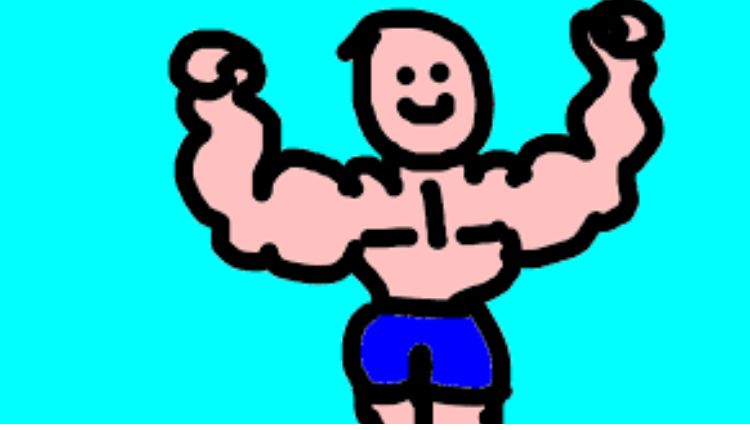
Artists often use this technique to bring characters to life in Desenho musculoso, illustrations, and concept art. Mastering this style requires an understanding of muscle groups, skeletal structures, and the interplay between tension and relaxation in the body.
Understanding Desenho Musculoso
Bullets help understand the basics:
- Focus on anatomy and skeletal structure.
- Watch real models or reference photos.
- Practice proportions and symmetry for realistic drawings.
- Study light and shadow for muscle definition.
Artists often start with basic outlines and gradually refine the shapes to achieve a realistic, muscular appearance. Sketching in layers is essential – starting with the skeleton, adding muscle mass, and finally detailing. Using references from fitness models, sports photos or anatomical charts ensures accuracy. Even subtle exaggeration can create the dynamic and heroic proportions common in comic book art.
Another key factor in desenho musculoso is movement. Muscles flex and stretch depending on the action, so static positions can look unnatural without proper anatomical understanding. Gesture drawing, which captures the movement of several strokes, is an excellent practice method. The combination of anatomical accuracy with artistic flair results in eye-catching and vivid muscle drawings.
Tools and materials
Having the right tools is essential to creating an impressive desenho musculoso. Traditional artists often rely on pencils, erasers, markers, and sketchbooks, while digital artists use tablets, styluses, and specialised software like Photoshop or Clip Studio Paint.
- Pencils: H, HB, and B for sketching and shading.
- Rubbers: Kneaded rubbers for fine repairs.
- Paper: Smooth surfaces are ideal for detailed line work.
- Digital tools: Graphics tablets for flexibility and correction.
- Software: Layers, brushes, and filters enhance muscle detail.
Choosing the right tools can dramatically affect the quality of your drawings. For example, hard pencils allow precise lines in anatomical sketches, while soft pencils create bold shadows and volume. Digital tools offer benefits such as unlimited layers, undo options, and customizable brushes, making it easy to correct mistakes and experiment with shading. A combination of digital and traditional approaches can enhance your learning process, allowing you to practice the basics on paper and refine the details digitally.
In addition, reference materials play a critical role. Anatomy books, online tutorials, and video lessons can help artists understand muscle placement and tension. Experimenting with different media – watercolours, markers or digital painting – can also add depth and versatility to your drawings.
Muscle anatomy
Muscular anatomy is the core of desenho musculoso. Understanding the origin, insertion and function of each muscle group allows artists to create realistic forms and dynamic poses. Major muscle groups include:
- Chest: pectoral muscles (major and minor) for upper torso volume.
- Arms: Biceps, triceps and forearms to show strength.
- Back: Latissimus dorsi, trapezius and rhomboids for posture.
- Legs: Quadriceps, hamstrings and calves for balance.
- Abs: Rectus abdominis and obliques for core definition.
Observing the human body in motion helps identify how muscles contract and stretch. For example, the biceps bulge during a curl, while the triceps extend the arm. Artists often exaggerate these features for dramatic effect in comics and illustrations. Knowing anatomy also helps with proportion – ensuring that muscles don’t look too bulky or unrealistic.
Practical tips for studying anatomy:
- Break down complex muscles into simple geometric shapes.
- Study 3D anatomy apps or models for reference.
- Practice drawing individual muscles before combining them.
- Observe thrust lines and surface details such as veins and grooves.
A strong understanding of anatomy ensures that your desenho musculoso looks realistic, whether it’s a superhero illustration or a realistic portrait of a bodybuilder. The combination of observation and imagination makes it possible to exaggerate muscles while maintaining credibility.
Poses and gestures
Dynamic poses enliven the desenho musculoso. Muscle definition is accentuated when the body is in motion, so gesture drawing is essential to capture energy and natural movement.
Bullets for effective posing:
- Start with a basic skeleton outline.
- Add muscle mass based on anatomy.
- Consider weight distribution and balance.
- Capture movement and direction with gesture lines.
Action poses—like punching, lifting, or running—expose muscles differently than static poses. Performers should pay attention to how muscles stretch, contract, and interact with gravity. Practising quick sketches of different movements helps build a library of gestures that can be reused in your work. Incorporating props or environmental elements can also increase realism and storytelling.
In addition, exaggerating muscle tension in certain poses can create a more dramatic visual effect, common in comics or concept illustrations. Combining knowledge of anatomy with gesture drawing improves realism and expressiveness, making your muscle drawings stand out.
Shading techniques: Desenho musculoso
Shading is essential in desenho musculoso to add depth, volume and realism. Correct shading will enhance curves, tension and muscle definition. Artists use different techniques depending on their medium:
- Hatching and crosshatching for texture.
- Blending with pencils or brushes for smooth transitions.
- Using digital brushes to simulate light and shadow.
- Highlights and shadows to create 3D effects.
Understanding the light source is essential. Muscles look better when the light casts shadows along their curves. Highlights emphasise bulges and contours, while shadows indicate depressions and bent areas. Experimenting with multiple lighting angles can greatly improve the realism of your drawings.
Bullets for better shading:
- Determine the primary light source before starting.
- Shade the muscles consistently according to the anatomy.
- Use contrast to emphasise volume.
- Practice with black and white before adding colour.
Shading also helps convey emotion, intensity and realism in muscle drawings. Combined with knowledge of gestures and anatomy, the shading completes the visual impact of a strong desenho musculoso.
Common mistakes
Beginners often make mistakes when drawing muscular figures. Recognising these common mistakes helps artists improve faster:
- Exaggerated muscles, creating unrealistic proportions.
- Ignoring skeletal structure leads to awkward poses.
- Flat or inconsistent shading that reduces volume.
- Neglect of muscle interplay during dynamic movements.
Avoiding these mistakes requires careful observation, practice, and feedback. Using references and studying human anatomy ensures accuracy and realism.
Mistakes are part of the learning process; even professional artists perfect their technique through trial and error.
Bullets to avoid mistakes:
- Use the links and observe the bodies in real life.
- Start with simple shapes and gradually build complexity.
- Check symmetry and proportions before finalising details.
- Exercise regularly to improve muscle tone.
Being aware of mistakes allows artists to adjust and develop a consistent style, making your desenho musculoso visually appealing and anatomically sound.
Color and detail
Adding color and detail can elevate your desenho musculoso, especially in digital or colour illustrations. Colour helps define muscle groups, emphasise shadows, and add realism. Detailing can include veins, skin texture, and subtle highlights that stretch the muscles.
- Choose basic skin tones for realism.
- Use gradients to indicate the depth and curvature of the muscles.
- Add highlights where the muscles bulge.
- Fine textures for veins or skin imperfections.
Digital artists can experiment with layers and blending modes to increase depth. Traditional artists may use coloured pencils, markers or paint to achieve similar effects. Detailing should be balanced – too much can overwhelm the drawing, while too little can make it appear flat. Strategic use of colour and detail enhances the dynamic and lively appearance of muscular figures.
Practice and improvement
Consistent practice is the key to mastering desenho musculoso. Developing muscle memory for anatomy, gestures and shading improves both speed and quality. Tips for effective exercise include:
- Daily sketching for quick poses.
- Studying anatomy from books, videos and live models.
- Analysis of professional muscle drawing.
- Experimenting with different styles and exaggeration.
Points for improvement:
- Keep a sketchbook to track progress.
- Combine observation with imagination.
- Practice both static and dynamic positions.
- Seek constructive feedback from peers or online communities.
Patience and persistence are essential. Improvement comes from repetition and learning from mistakes. Over time, your ability to render realistic, dynamic and visually appealing muscle artwork will greatly increase, making your artwork more professional and versatile.
Conclusion
Desenho musculoso is a challenging and rewarding art form. By mastering anatomy, practicing dynamic poses, using shading effectively, and avoiding common mistakes, artists can create strong and visually impressive muscular figures.
Whether it’s comics, illustration or concept art, consistent practice and attention to detail are essential to success. Remember that observation, imagination and perseverance are the pillars of this artistic journey.
Frequently asked questions
Q1: Can beginners learn desenho musculoso easily?
Yes, with consistent practice, studying anatomy and using references, beginners will gradually master muscle drawing techniques.
Q2: Are digital tools necessary for muscle drawing?
No, traditional pencils and papers are sufficient, but digital tools offer flexibility, correction options and enhanced detail.
Q3: How long does it take to master muscle anatomy in art?
It varies from person to person, but with daily practice and study, you can see a noticeable improvement within a few months.
Q4: What are the best resources for teaching anatomy?
Anatomy books, online tutorials, 3D anatomy apps, and observing real models are strongly recommended.
Q5: How can I make the muscles in the drawings look realistic?
Focus on accurate anatomy, dynamic poses, consistent shading, and the study of muscle tension and movement.