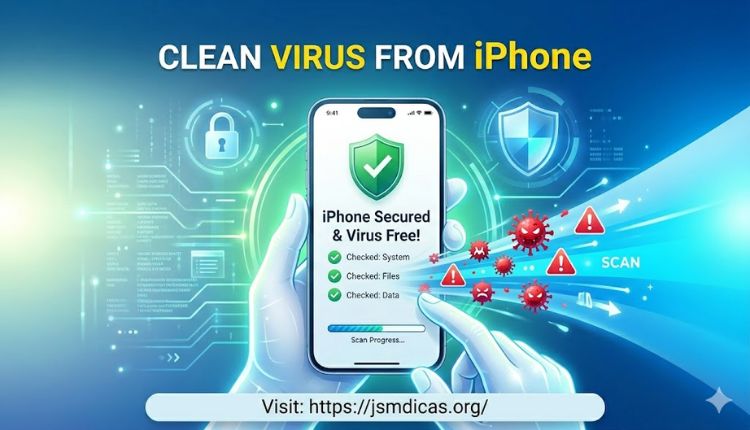
Although limpar virus do iPhone operating system is designed with advanced security features, iPhones are not completely immune to online threats, malicious websites, phishing attacks, and malicious apps. Understanding how to identify potential risks and remove unwanted software is essential to maintaining device performance and protecting personal data.
This comprehensive guide explains everything you need to know about the iPhone limper virus, including warning signs, common causes, prevention methods, security settings, browser cleaning techniques, and best practices to keep your device safe. Whether you’re experiencing unusual behavior or simply want to improve your iPhone’s security, this article provides practical and easy-to-follow information to help you protect your data, boost performance, and enjoy a more secure mobile experience every day without unnecessary hassle.
Limpar Virus do iPhone: Whether iPhones Can Get Viruses
Many people believe that iPhones are completely immune to viruses. While Apple’s ecosystem is one of the most secure mobile environments available, it’s important to understand that no device is completely risk-free. The term limpar virus do iPhone is commonly searched by users who notice unusual behavior and suspect that their device may be infected.
Traditional viruses are less common on iPhones because Apple closely monitors the App Store and releases security updates regularly. However, users may still encounter various cybersecurity threats. They may include phishing sites, malicious ads, fraudulent links, browser hijackers, and suspicious profiles installed without proper verification.
When users download files from unknown sources or click on misleading links, they can expose their devices to security risks. In many cases, what appears to be a virus is actually a browser problem, a malicious website, or an unwanted configuration profile.
Understanding the difference between a real virus and other forms of malware helps users respond appropriately. Instead of panicking, it’s better to investigate the symptoms, update your device, and follow good security practices. Knowledge is the first step to keeping your iPhone secure and ensuring long-term protection against digital threats.
Common Signs That Indicate Your iPhone May Be Compromised
Recognizing unusual behavior is an important part of the limpar virus do iPhone process. Although not every problem indicates malware, certain warning signs deserve attention.
An infected or compromised device may show symptoms such as:
- Frequent pop-up ads
- Unexpected browser redirects
- Fast battery drain
- Increased data consumption
- Overheating of the device without heavy use
- Unknown apps appear on the device
Sometimes users notice that Safari automatically opens strange websites or that suspicious notifications repeatedly appear. This behavior often indicates browser-based threats rather than a traditional virus.
Performance issues can also serve as warning signs. If your iPhone suddenly slows down, crashes frequently, or experiences unusual freezes, it may be worth investigating for potential security issues.
It’s important to remember that software bugs and aging hardware can cause similar symptoms. Therefore, users should not immediately assume the presence of malware. Instead, they should systematically examine recent downloads, visited websites, installed profiles, and browser settings.
Early detection helps prevent larger security problems. By monitoring device behavior and responding quickly to suspicious activity, users can significantly reduce risks and maintain better overall security for their iPhones.
How Harmful Websites and Phishing Attacks Affect iPhones
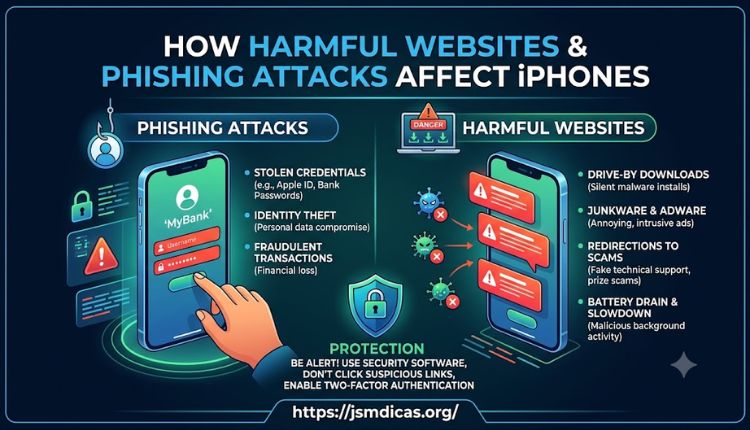
One of the biggest reasons why people search for limpar virus do iPhone is exposure to malicious websites and phishing scams. Cybercriminals are increasingly targeting mobile users because smartphones contain valuable personal and financial information.
Phishing attacks typically attempt to trick users into revealing passwords, credit card information, verification codes, or account credentials. These attacks often come through emails, text messages, social media messages or fake websites.
A phishing website can appear identical to a legitimate service, know more visit more. Users may unwittingly enter sensitive information thinking they are accessing their bank, email provider or social media account.
Modern attackers also use fake security alerts. These messages may claim that the iPhone has been infected and prompt users to download unnecessary applications or pay fraudulent fees.
Protecting yourself involves several key habits:
- Verify website addresses carefully.
- Do not click on suspicious links.
- Never enter passwords through spam messages.
- Enable two-factor authentication whenever possible.
Awareness remains one of the strongest defenses against cyber threats. By understanding how phishing works and recognizing common scams, users can avoid many of the situations that lead them to search for a solution to limper virus for iphone.
Steps to Clear Browser Data and Remove Suspicious Activity
In many cases, the fastest way to start the process of limpar virus do iPhone is to clear your browser data. Safari stores cookies, website information, and browsing history that may contribute to unwanted behavior.
When users encounter repeated redirects or suspicious pop-ups, clearing browser data often solves the problem. This process removes stored information associated with problematic websites.
Users should check their browser settings and delete unnecessary website data. They should also close any open tabs and remove any suspicious bookmarks that may have been accidentally created.
Additionally, it may be beneficial to check notification permissions. Some sites trick users into allowing notifications, resulting in frequent spam alerts.
Important browser cleaning actions include:
- Clear browsing history.
- Delete site data.
- Remove suspicious bookmarks.
- Disable unwanted notifications.
- Close unnecessary tabs.
These simple measures can significantly improve device performance and security. Browser-related issues are among the most common causes of suspicious behavior on iPhones, so browser maintenance is a critical part of any limpar iphone virus strategy.
The Importance of iOS Updates and Limpar Virus do iPhone
Updating iOS is one of the most effective ways to keep your device secure. Apple continuously releases updates that address newly discovered vulnerabilities and improve overall system protection.
Many users put off updates because they think they are minor changes. However, security patches often contain critical fixes that protect against emerging threats. Delaying updates can leave devices exposed to known vulnerabilities.
When discussing limpar virus do iPhone, software updates should always be the top priority. Updated devices benefit from improved security mechanisms, bug fixes and improved anti-malware protection.
Automatic updates offer additional convenience. By enabling automatic installation, users reduce the likelihood of missing important security releases.
Beyond security improvements, updates often improve device stability and performance. This helps eliminate software issues that users may mistakenly interpret as malware infections.
Maintaining current software demonstrates a proactive approach to cybersecurity. Rather than reacting to threats after they occur, regular updates help prevent many security problems before they become serious concerns.
Consistent maintenance and timely updates create a stronger defense against evolving cyber risks and contribute to a safer overall mobile experience.
Managing Apps and Removing Potential Security Risks
Apps play a major role in limpar virus do iPhone security. Although Apple’s App Store review process is strict, users should still be careful when installing software.
Part of the limpar iphone virus process involves checking your installed apps and identifying anything unknown or unnecessary. Apps with excessive permissions may collect more information than required.
Users should regularly check:
- Installed applications
- Permission settings
- Background activity
- Location access
- Authority to notify
Removing unused applications reduces potential attacks and improves device efficiency. Users should also verify that all apps are from trusted developers.
Reading reviews and researching developers before downloading software can help prevent future problems. Even legitimate applications should be given only the permissions necessary for their intended function.
Careful application management promotes greater privacy and security. By maintaining control over installed software and regularly monitoring permissions, users can minimize risks while ensuring their devices continue to run smoothly.
Good application hygiene is a fundamental aspect of long-term iPhone security and significantly contributes to successful practices of limpar virus do iphone.
Preventive Security Habits Every iPhone User Should Follow
Prevention is always better than cure. Developing good security habits reduces the likelihood of problems requiring a limpar virus do iphone solution.
Strong cybersecurity practices start with user awareness. Many successful attacks depend on human error rather than technical vulnerabilities.
Effective security habits include maintaining strong passwords, avoiding suspicious links, and verifying the legitimacy of websites before entering sensitive information. Users should also avoid connecting to unsecured public Wi-Fi networks whenever possible.
Other precautions include:
- Enable Face ID or Touch ID.
- Use two-factor authentication.
- Install updates immediately.
- Avoid unknown downloads.
- Monitor account activity regularly.
Regular backups provide an additional layer of protection. If something unexpected happens, users can recover important data without significant loss.
Cybersecurity is not a one-time task. It requires constant attention and responsible digital behavior. Consistent preventative habits dramatically reduce risk and help users maintain safe and reliable devices over the long term.
When Professional Assistance May Be Necessary
While most limpar virus do iPhone situations can be resolved independently, some cases may require professional support. Persistent issues that persist after updates, browser cleanups, and app reviews should not be ignored.
Users who have unauthorized account access, suspicious financial transactions, or repeated security alerts may need professional help. Professional technicians can perform deeper diagnostics and identify unusual problems that standard troubleshooting may miss.
If personal accounts have been compromised, immediate action is necessary. Password changes, account recovery procedures, and security checks should be done as quickly as possible.
Professional help may be appropriate when:
- Security issues persist repeatedly.
- Sensitive accounts were compromised.
- The device constantly exhibits unusual behavior.
- Data has been lost.
Seeking help early can prevent further complications. Apple’s support resources and qualified technicians provide valuable advice for solving complex security issues.
Knowing when to escalate a problem is part of responsible facility management. Immediate action helps protect personal data and ensures that security issues are effectively addressed before they become more serious.
The Bottom Lines
Understanding how to limpar virus do iPhone is essential to maintaining a safe and efficient mobile experience. Although iPhones are among the most secure smartphones available, they can still be affected by phishing attacks, malicious websites, suspicious apps, and browser-related threats.
By recognizing the warning signs, keeping iOS updated, carefully managing apps, clearing browser data, and practicing strong cybersecurity habits, users can significantly reduce security risks. Regular maintenance and proactive protection remain the most effective ways to protect personal data and ensure optimal device performance for years to come.
FAQs
- Can an iPhone really get a virus?
Traditional viruses are rare on iPhones, but users can still encounter phishing attacks, malicious websites, browser hijackers, and other security threats.
- What is the first step in the limpar virus to do on an iPhone?
Start by clearing browser data, removing suspicious apps, checking installed profiles, and updating iOS to the latest version.
- How do I know if my iPhone contains malware?
Common symptoms include unexpected pop-ups, browser redirects, unusual battery drain, excessive data usage, and unknown apps.
- Will resetting iPhone remove malware?
In many cases, a factory reset can remove unwanted software and settings, but users should back up important data first.
- How can I prevent future security issues on my iPhone?
Keep iOS updated, avoid suspicious links, download apps only from trusted sources, enable two-factor authentication, and check permissions regularly.